
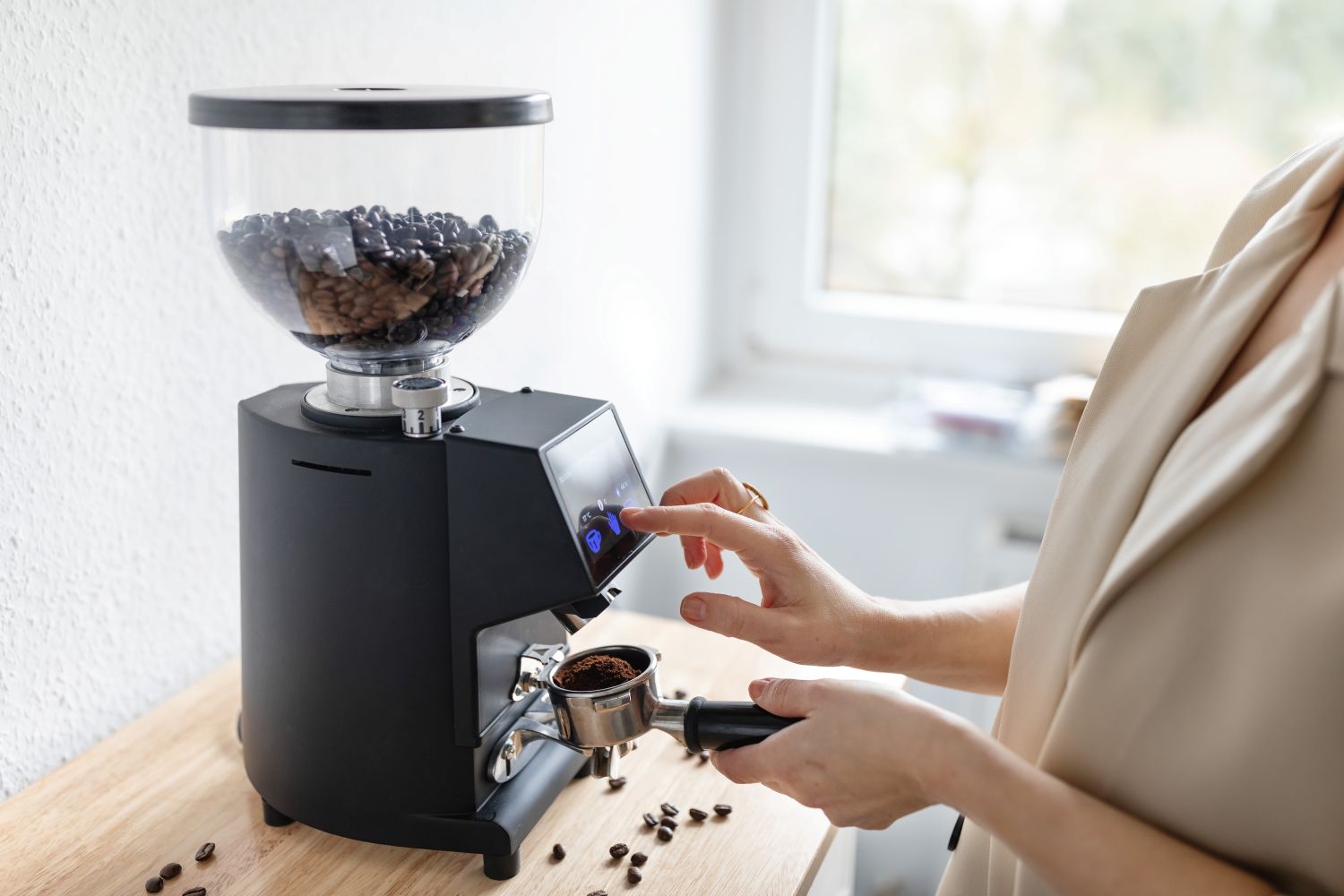
For many coffee enthusiasts, the journey to brewing the perfect cup of coffee begins with a crucial tool: the coffee grinder. While selecting high-quality coffee beans is essential, the way you grind those beans can significantly impact the flavor and aroma of your brew. In this article, we’ll explore the importance of the coffee grinder, the different types available, grinding techniques, and tips for achieving brewing perfection.
1. The Importance of Grinding
Freshness Matters
Coffee beans start to lose their freshness and flavor shortly after being ground. Grinding your coffee just before brewing ensures that you capture the full range of flavors and aromas. The essential oils released during the grinding process are what contribute to the rich, complex taste of coffee, making freshness a key factor in brewing perfection.
Consistency is Key
The grind size of your coffee can dramatically affect the extraction process. A consistent grind size ensures that water flows evenly through the coffee grounds, resulting in a balanced flavor. If the grind size is uneven, some particles may be over-extracted (leading to bitterness), while others may be under-extracted (resulting in sourness).
2. Types of Coffee Grinders
Blade Grinders
Blade grinders are often the most affordable option and are popular among casual coffee drinkers. They use a rotating blade to chop the beans into smaller pieces. While they are easy to use and clean, blade grinders can produce uneven grind sizes, making them less ideal for brewing methods that require precision.
Burr Grinders
Burr grinders are the preferred choice for serious coffee aficionados. They use two revolving abrasive surfaces (burrs) to crush the coffee beans into a uniform size. Burr grinders come in two types:
- Flat Burr Grinders: These grinders have parallel burrs and are known for providing a consistent grind size, making them suitable for espresso and other brewing methods that require precision.
- Conical Burr Grinders: These grinders have a cone-shaped burr that allows for a more uniform grind and can handle a wider range of grind sizes. They are versatile and suitable for various brewing methods, from French press to pour-over.
Manual vs. Electric Grinders
- Manual Grinders: These grinders require physical effort to operate but offer greater control over the grinding process. They are often more compact and portable, making them ideal for travel.
- Electric Grinders: These grinders provide convenience and speed, allowing you to grind larger quantities of coffee quickly. They often come with adjustable settings for different grind sizes.
3. Understanding Grind Sizes
Different brewing methods require specific grind sizes to optimize extraction. Here’s a quick guide to common grind sizes and their corresponding brewing methods:
- Coarse Grind: Similar to sea salt, this grind is ideal for French press and cold brew methods, allowing for longer steeping times without over-extraction.
- Medium Grind: Similar to sand, this grind is suitable for drip coffee makers and pour-over methods, balancing extraction time and flavor.
- Fine Grind: Similar to table salt, this grind is perfect for espresso machines, allowing for quick extraction under pressure.
- Extra Fine Grind: Similar to powdered sugar, this grind is used for Turkish coffee, where the coffee is brewed and served unfiltered.
4. Grinding Techniques
Grind Just Before Brewing
To maximize flavor, grind your coffee beans just before brewing. This practice preserves the freshness and ensures that you are using the most flavorful grounds.
Experiment with Grind Size
Don’t be afraid to experiment with different grind sizes to find what works best for your preferred brewing method and taste. Adjusting the grind size can significantly impact the flavor profile of your coffee.
Use the Right Amount of Coffee
A general guideline for brewing coffee is to use one to two tablespoons of coffee per six ounces of water. Adjust this ratio based on personal preference and the brewing method used. Remember that the grind size can also affect the strength of your brew; finer grinds may require less coffee due to faster extraction.
5. Cleaning and Maintenance
Regular Cleaning
To maintain the quality of your coffee grinder and prevent the buildup of old coffee oils and residues, clean your grinder regularly. For blade grinders, a simple wipe with a damp cloth suffices, while burr grinders may require a more thorough cleaning with a brush or cleaning tablets.
Avoid Cross-Contamination
If you use your grinder for spices or other ingredients, be aware that these flavors can transfer to your coffee. It’s best to dedicate a grinder solely for coffee to preserve its pure flavor.
Conclusion
The coffee grinder is an essential tool in the quest for brewing perfection. By understanding the importance of grinding, choosing the right type of grinder, and mastering grinding techniques, you can unlock the full potential of your coffee beans. Remember that freshness, consistency, and the right grind size are key elements in crafting a delicious cup of coffee. So, embrace the art of grinding, and enjoy the rich flavors and aromas that come with each perfectly brewed cup!
