
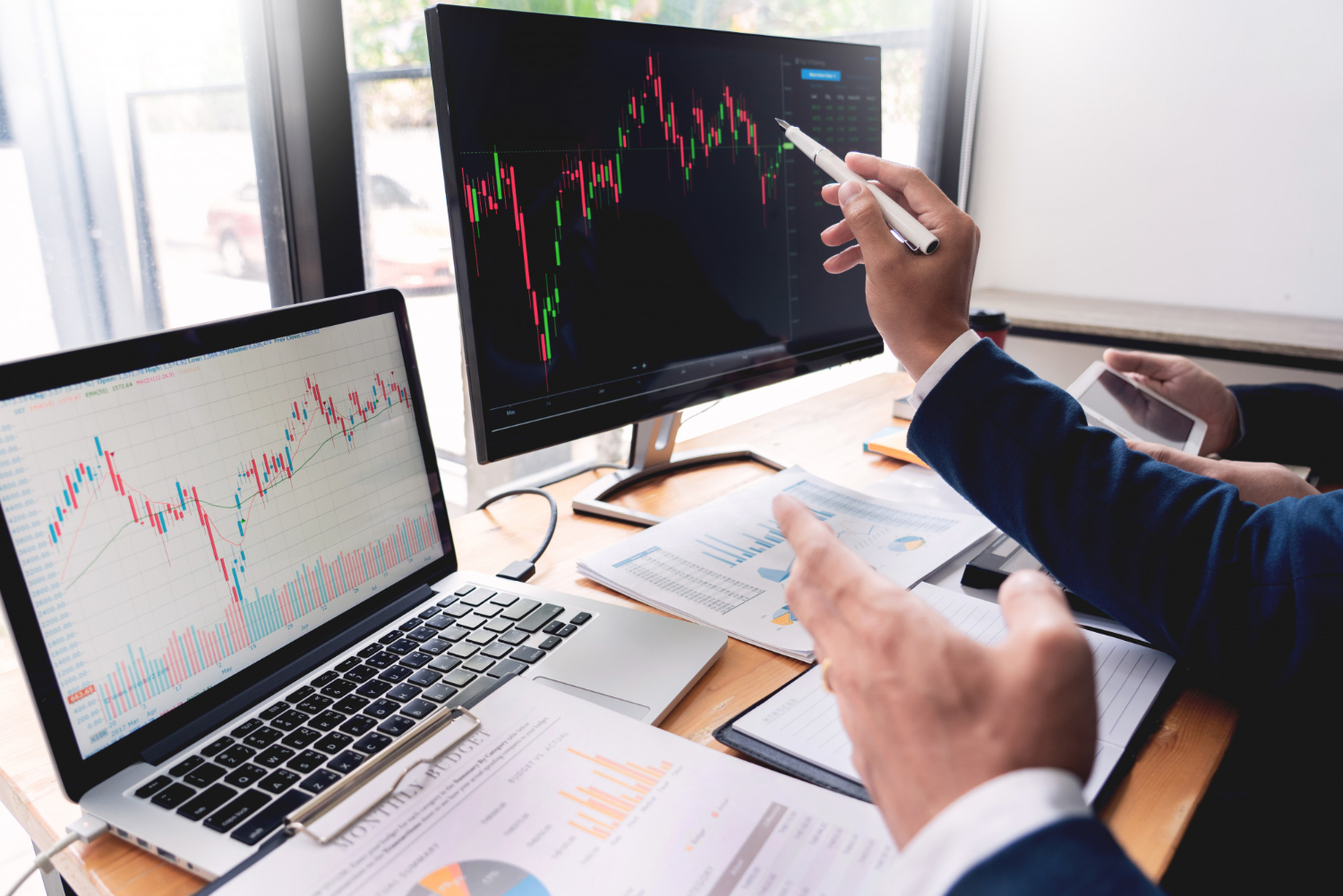
In the fast-paced world of trading, leverage acts as a powerful tool that can transform modest investments into substantial gains. For Filipino traders navigating the vibrant yet volatile Philippine stock market, understanding how to wield this advantage with effective trading strategy is crucial. This article delves into the multifaceted strategies that traders employ to optimize their leverage, the inherent risks they face, and proven methods for effective management. Discover how savvy traders balance the scales of risk and reward through trading psychology to thrive in a competitive landscape.
Definition of Leverage
Leverage is a financial mechanism that enables traders to borrow funds, thereby increasing their expected return on investment and profit margin. It is typically expressed as a ratio, such as 1:10. For instance, with a leverage ratio of 1:10, a trader can use $100 of personal capital to control a position worth $1,000.
If the market moves 10% in favor of the position, the trader will earn $100, resulting in a 100% return on their initial investment, highlighting the importance of financial leverage. Conversely, if the market moves against the position, losses are similarly magnified, emphasizing the need to avoid losses.
Therefore, while leverage can lead to higher returns, it also escalates risk, making effective risk management essential. One useful risk management tool is the stop-loss order, which can help limit potential losses and preserve account equity.
Importance of Leverage for Traders
For many Filipino traders, understanding leverage is crucial, as it enables them to maximize their limited capital and enhance trading frequency in an increasingly competitive market. Leverage refers to the use of borrowed money to enhance the potential return on an investment, which requires strategic asset allocation.
By employing leverage, traders can take on larger positions than the amount available in their brokerage accounts, improving their investment strategy. For instance, a leverage ratio of 10:1 means that a trader holds 10,000 in their account while controlling 100,000 in assets.
Although this can significantly increase potential profits, it also amplifies risks. A recent study indicates that leverage in emerging markets can boost participation rates by 40% or more, making it easier for local traders to engage with global markets.
Therefore, using leverage wisely is essential, as losses can accumulate just as rapidly as gains, demanding a reliable trading plan.
Filipino Trading Landscape
The number of investors in the Philippine trading space is on the rise, as individuals look to capitalize on market opportunities, explore speculative trading, and enhance their financial literacy.
Overview of the Philippine Stock Market
The Philippine Stock Exchange (PSE) serves as the country’s primary trading venue, boasting over 270 listed companies and a market capitalization exceeding $200 billion as of 2023, reflecting robust economic growth.
Recent performance metrics indicate a year-to-date increase of approximately 5%, reflecting growing investor confidence in the market despite global economic challenges, highlighting positive market sentiment.
Key indices, such as the PSE Composite Index (PSEi), track overall market performance, while sector indices, including Financials and Industrials, monitor the performance of specific segments of the economy.
For those interested in investing, popular trading platforms like COL Financial and BDO Nomura offer user-friendly interfaces and a variety of research tools to assist in navigating investments within this dynamic market.
Common Trading Practices among Filipino Traders
Filipino traders often utilize a combination of technical and fundamental analysis, placing significant emphasis on social media and online forums for market insights and trading signals.
Applications like Investagram are particularly popular among these traders, as they offer real-time market analysis and charting tools that simplify the technical analysis and order execution process.
Many Filipino traders also attend webinars hosted by local trading experts, which provide advanced techniques and foster community support.
Furthermore, they engage in online forums to share insights, discuss trends, and tap into the collective wisdom of their peer network. This sense of community not only enhances learning but also helps traders develop emotional resilience in navigating the inevitable ups and downs of trading.
Types of Leverage Used by Filipino Traders
Filipino traders utilize various forms of leverage, with margin trading in stocks and leverage in the foreign exchange markets being the most common.
Margin Trading
Margin trading allows Filipino traders to borrow funds from their brokerage, enabling them to trade with leverage ratios typically ranging from 1:2 to 1:10, which impacts trading commissions.
To open a margin account, traders must complete an application with their brokerage, which often requires a minimum deposit. The key steps involved include:
- Agreeing to and signing the margin account terms and conditions.
- Providing the broker with personal and financial information.
- Ensuring that the investor understands the risks associated with margin trading.
For instance, if you invest 10,000 with a 1:5 leverage, you can control 50,000 worth of assets. However, this strategy exposes you to higher risks, including margin calls, where the brokerage may require you to deposit additional funds if the equity in your account falls below a certain level.
Typical costs associated with margin trading include interest rates on borrowed funds, which can range from 5% to 10% annually, affecting trading costs and liquidity. These interest rates are charged daily, and even small amounts can accumulate quickly, impacting overall profitability.
Forex Trading Leverage
In the forex market, Filipino traders have access to leverage as high as 1:100, enabling them to control large positions with minimal capital investment, expanding their trading system. For example, a trader can manage a $10,000 position with just $100.
Brokers such as XM and Forex.com provide various leverage options, allowing traders to customize their risk management strategies through financial advice. While higher leverage can enhance potential returns, it also increases risk exposure. For instance, a 1% movement in the market can result in either a $100 gain or a $100 loss on that $10,000 position.
To mitigate these risks, traders should implement stop-loss orders and limit their risk to a small percentage of their trading capital for each trade, typically around 1-2%.
Benefits of Using Leverage
Leverage can greatly enhance trading potential, providing Filipino traders with opportunities to amplify their gains while reducing the necessity for substantial capital investment, supporting capital preservation.
Maximizing Potential Gains
By utilizing good leverage, Filipino traders can significantly enhance their profit potential, increasing it by 5 to 10 times and transforming small investments into substantial returns.
For instance, a trader using 10:1 leverage can control a $10,000 position with just $1,000 of their own capital, facilitating effective trader education. If this trader achieves a 20% gain on the entire position, it would result in a $2,000 profit, equating to a 200% return on their initial investment.
Traders can assess their risk on platforms like MetaTrader or TradingView, which offer tools for risk monitoring, stop-loss orders, and trading resources. Effective risk management, including limiting the amount leveraged per trade, is essential to prevent catastrophic losses.
Access to Greater Capital
Leverage enables Filipino traders to access capital that would otherwise be unavailable, allowing them to participate in high-value trades across a wide variety of asset classes, such as derivatives and commodities.
For instance, a leverage ratio of 10:1 allows a trader with 10,000 to control a position worth 100,000. This opens up investment opportunities in large-cap stocks, which often have prices exceeding 1,000 per share, as well as niche cryptocurrency trades.
Tools like MetaTrader and Thinkorswim assist Filipino traders in effectively managing these leveraged trades by providing risk management features and real-time analytics on their leveraged positions.
Proper use of leverage can amplify returns; however, it is essential to implement strict stop-loss strategies to limit potential losses, maintaining a balanced risk-reward ratio.
Risks Associated with Leverage
While leveraging can enhance profits, it also introduces significant risks that Filipino traders must approach with caution, considering their risk tolerance.
Potential for Significant Losses
Leverage can amplify losses, causing small adverse movements in the market to result in the complete loss of an entire trading account within minutes, highlighting the need for psychological factors in trading.
For instance, a trader using 10:1 leverage can open a $10,000 position with just a $1,000 equity balance. If the market moves against the trader by merely 10%, their entire account balance would be wiped out.
Other factors, such as the absence of stop-loss orders, can exacerbate these situations, rapidly forcing a trader out of the market during periods of high volatility.
Therefore, it is crucial to understand risk management techniques, such as never using more than 2:1 leverage and regularly reviewing trades, to prevent these types of financial disasters and ensure active trading.
Market Volatility and Its Impact
Market volatility significantly impacts leveraged positions, making them more susceptible to margin calls and forced liquidations during erratic market movements, which affects trading discipline.
For example, during the pandemic of 2020, stock markets worldwide experienced extreme declines, leading Filipino traders to face sudden margin calls on their leveraged positions. In March 2020, the Philippine Stock Exchange Index fell by 33%. This rapid decline in market value prompted many investors to reassess their strategies.
Tools such as MetaTrader or trading platforms with built-in risk management features can be beneficial for setting stop-loss orders, which help limit potential losses and improve market analysis. Utilizing these tools allows traders to better navigate volatility, ensuring they are informed and prepared to take action as market conditions change.
Strategies for Managing Leverage Effectively
Leverage management is a crucial aspect for Filipino traders, as it allows them to maximize gains and enhance their returns while minimizing potential risks in their trading activities and adhering to financial regulations.
Setting Stop-Loss Orders with Trading Indicators
Stop-loss orders are a fundamental technique that traders use to limit losses, particularly when employing leverage. When setting stop-loss orders, it is essential to consider historical price volatility as well as support and resistance levels.
For instance, if a stock typically experiences a 5% price movement in a day, it would be prudent to place a stop-loss order 5% below your entry point. However, if a company is about to report its quarterly earnings, the stock’s daily volatility may increase significantly, making a wider stop-loss of 8-10% a more sensible choice.
Tools like TradingView, along with various charting and analysis resources, enable traders to examine past price patterns and technical indicators, helping them identify optimal levels for setting stop-loss orders based on historical performance.
Diversification of Investments and Wealth Management
Diversifying investments across various asset classes can help mitigate the risks associated with leveraged trading, offering protection to traders during market downturns and aiding in wealth management.
For Filipino traders, a well-rounded portfolio may consist of asset classes such as stocks, bonds, mutual funds, and real estate. For instance, a balanced portfolio could include:
- 10% in currency pairs for diversification
- 40% in local stocks for capital appreciation
- 30% in bonds for capital preservation
- 20% in mutual funds for professionally managed risk
- 10% in real estate for income generation
Utilizing tools like the COL Financial platform can assist in managing and analyzing such portfolios, enabling users to track their investments and rebalance them according to market conditions. Regular re-evaluation and adjustments to asset allocations can further enhance the portfolio’s resilience against fluctuations.
Balancing Risk and Reward in Leveraged Trading
Filipino traders should adopt a disciplined approach to balance risk and reward, utilizing proven techniques to navigate the complexities of leveraged trading. This approach includes the following strategies:
- Conducting Market Research: Understanding market trends and trading news helps in making informed trading decisions.
- Utilizing Trading Tools: Traders should use tools such as trading journals (e.g., Edgewonk) to track their performance and refine their strategies based on the outcomes of past trades, both winning and losing.
- Implementing Risk Management Strategies: It is essential to manage risk by limiting losses on a single trade through the use of stop-loss orders that do not exceed 2% of the account balance. This practice helps protect the trader’s capital during volatile market conditions.
- Pursuing Continued Education: Engaging in online courses offered by platforms like Investopedia can enhance traders’ understanding of the markets and improve their decision-making skills.
By following these practices, traders can improve their trading performance and better manage the inherent risks associated with leveraged trading, ensuring alignment with their financial analysis and trader mentality.
Conclusion
For Filipino traders, leverage presents both exciting opportunities and significant risks in the financial markets. While it can amplify profits, it also increases potential losses, making education and disciplined strategies essential for success.
By implementing stop-loss orders, diversifying investments, and continuously refining their approach, traders can harness leverage effectively while minimizing risks. Ready to take your trading to the next level? Deepen your understanding with our comprehensive guide on trading leverage and equip yourself with the knowledge to trade confidently in the Philippine market.